046 — Uncrewed Surface Vessel

NeedleFish USV

BRYD – Ben Rogerson Yacht DesignOcean InfinityRAD Propulsion

BRYD led the naval architecture and global design of the 14-metre NeedleFish Uncrewed Surface Vessel (USV), developed with Ocean Infinity for the Kuwait Coast Guard.

From a blank sheet of paper to an operational fleet in under seven months, NeedleFish is one of BRYD’s most significant autonomous projects to date.

Four high-speed twin-hull USVs were developed as part of Kuwait’s Integrated Maritime Surveillance Programme, supporting persistent patrol, surveillance, mapping and data-gathering operations across its territorial waters.

Designed from the Ground Up for Uncrewed Operations

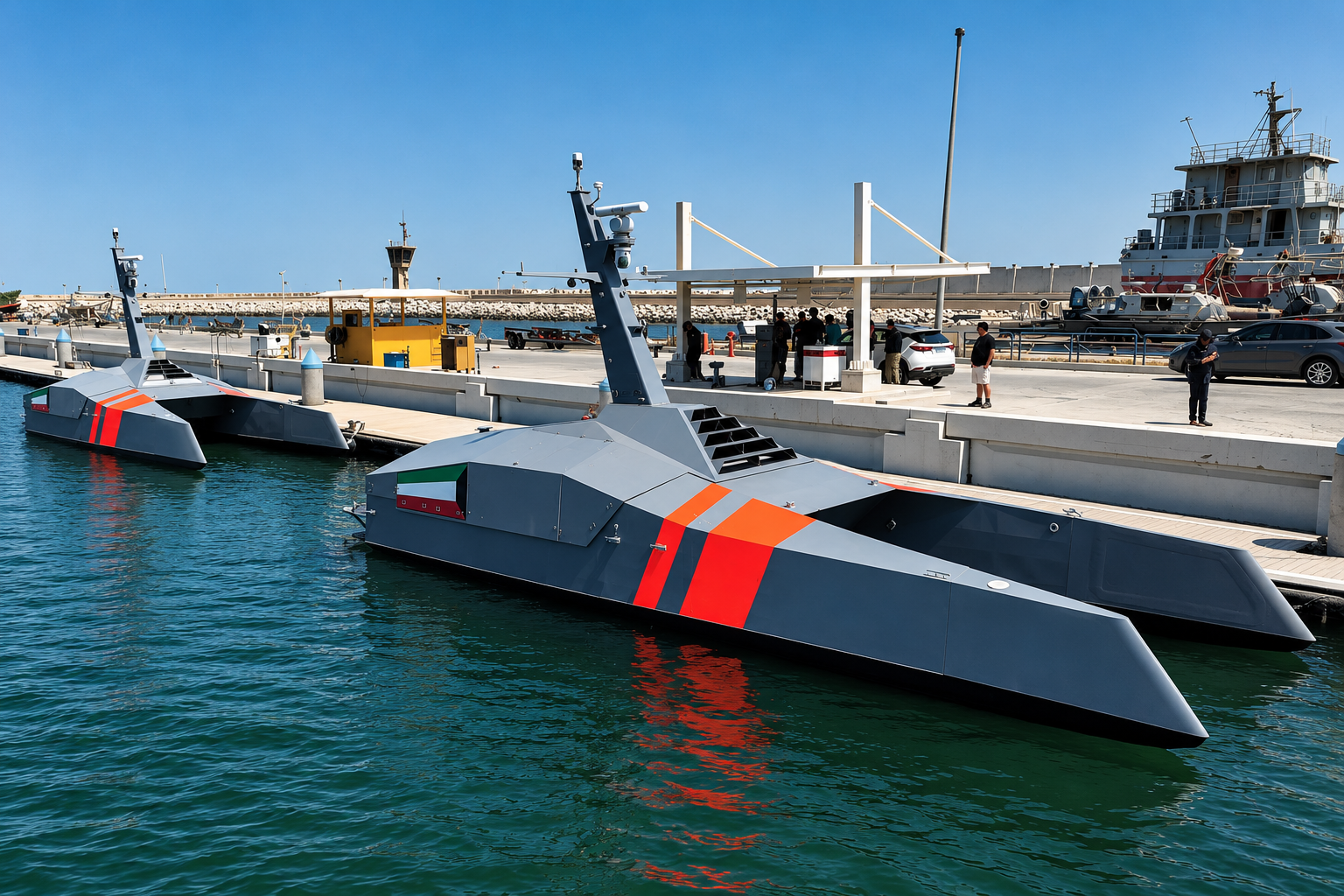
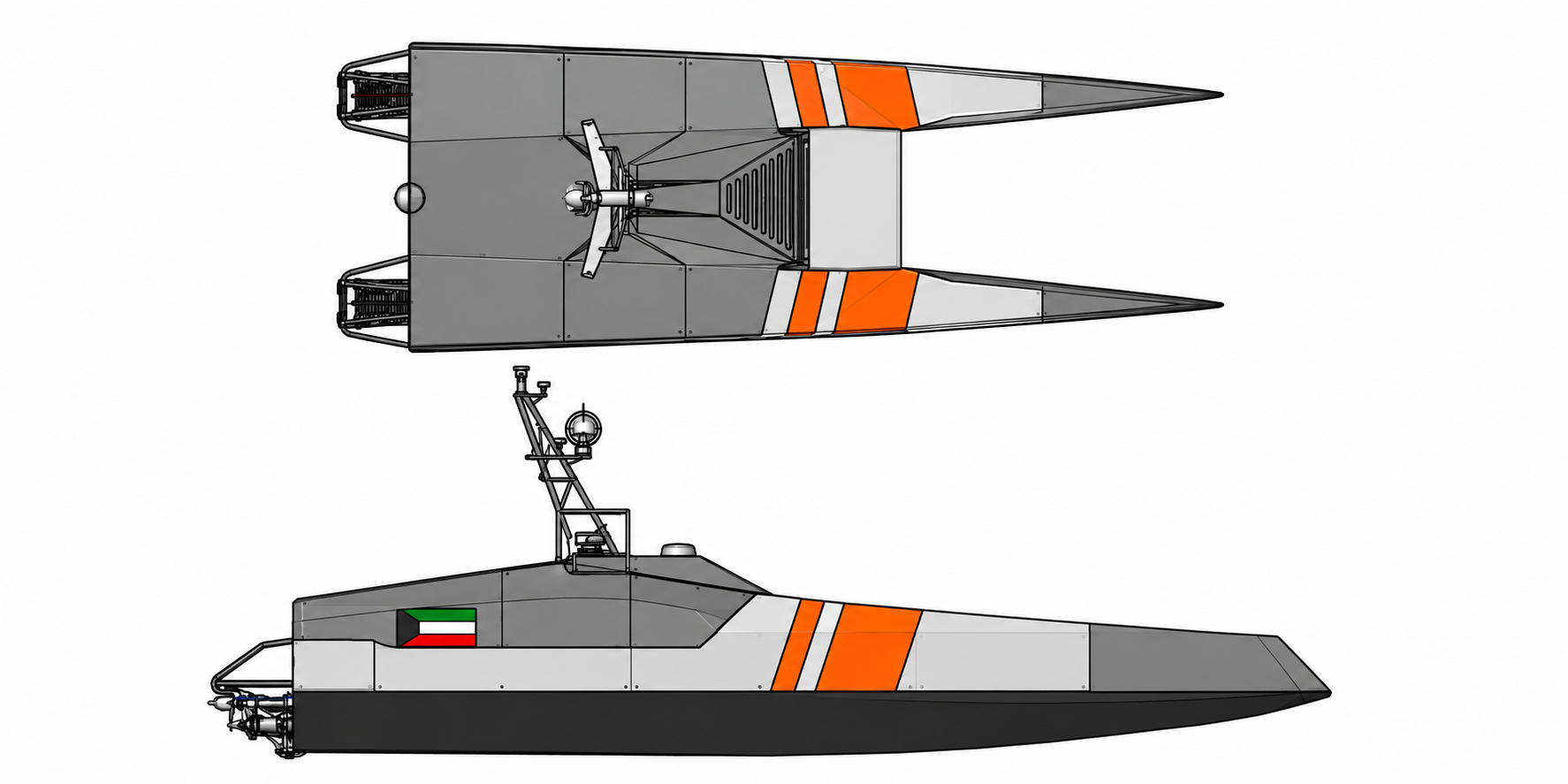
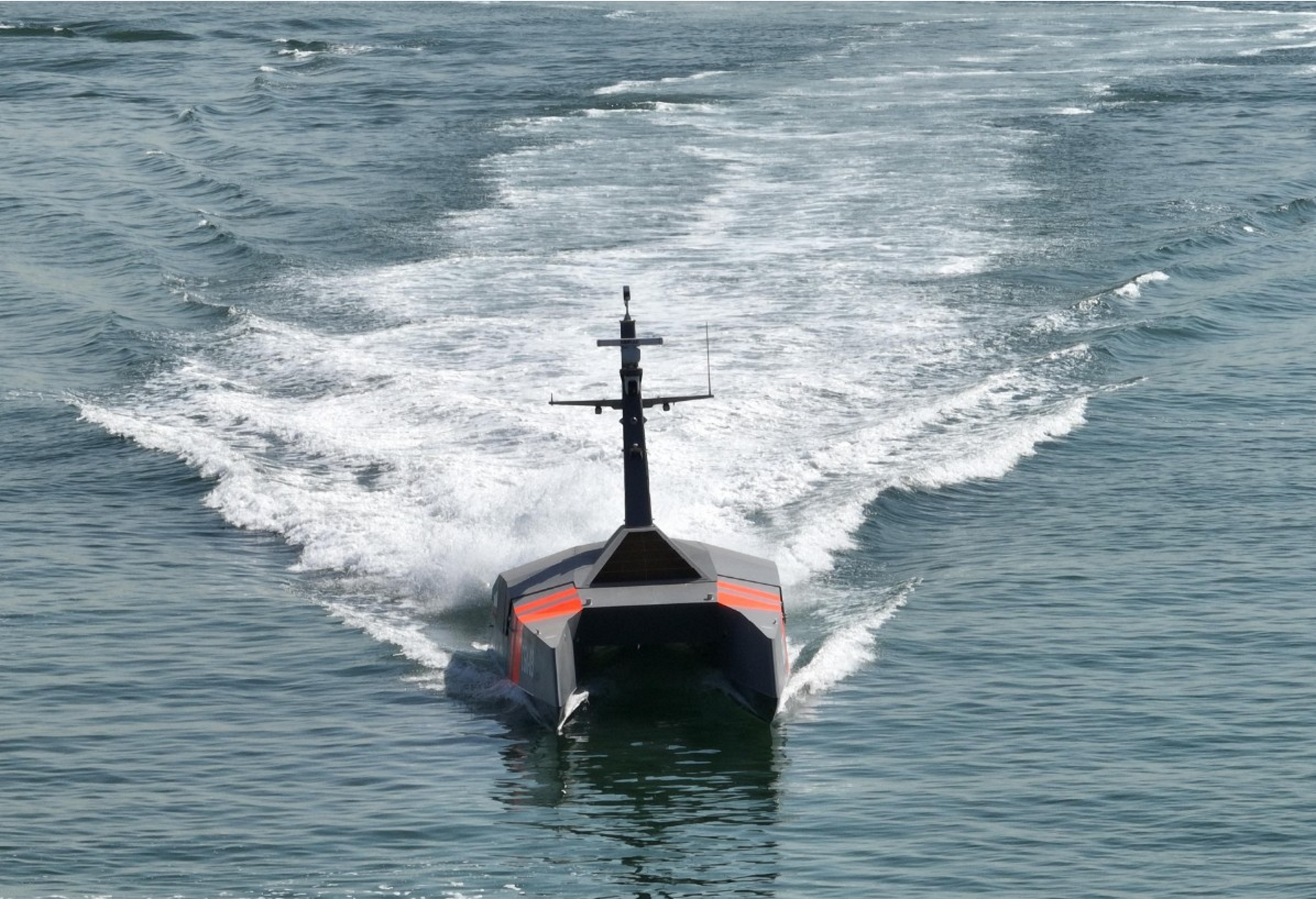
NeedleFish was developed specifically for remote and autonomous operation rather than adapted from an existing crewed platform. At 14 metres long and approximately 6 metres wide, its wave-slicing twin-hull configuration combines high-speed performance, seakeeping and platform stability with the space and flexibility required for its onboard technology.

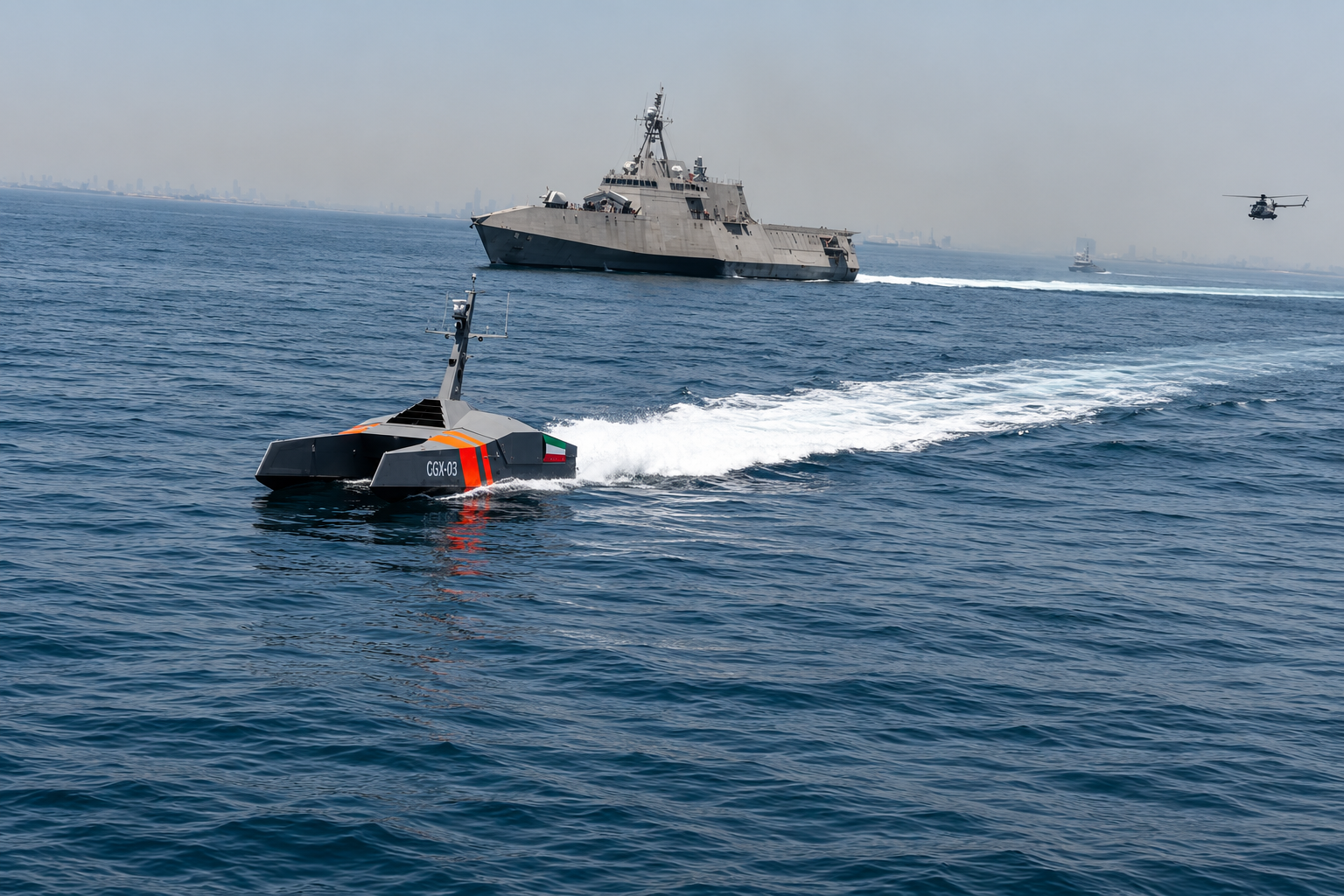
Powered by twin marine waterjets, NeedleFish can reach more than 40 mph. It carries live-stream cameras, radar and other sensors, transmitting data back to shore-based command centres as part of the SRT C5iSR maritime domain awareness system covering Kuwait’s approximately 11,000 km² of territorial waters.

NeedleFish USV underway

Project overview

ClientOcean Infinity
OperatorKuwait Coast Guard
Vessel14m uncrewed surface vessel
FleetFour vessels
BRYD roleNaval architecture & global design

Design Parameters

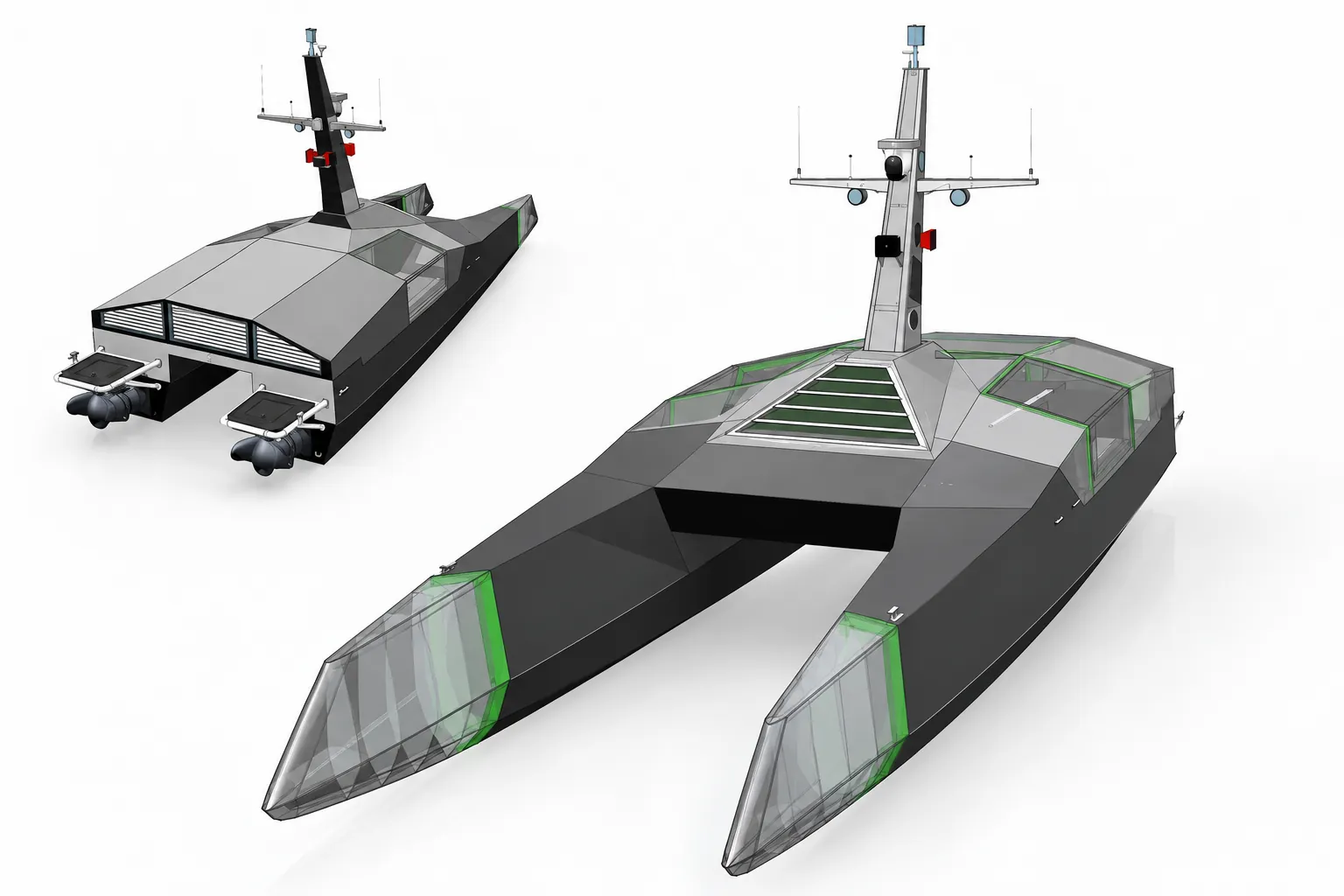
BRYD 3D model of the NeedleFish twin-hull USV — stern and bow views

General Statistics

Length (hull)
14.0 m
Length overall
15.0 m
Beam overall
5.9 m
Demi-hull spacing
3.66 m
Height from baseline
6.68 m (to top of mast)
Lightship displacement
11,250 kg
Loaded displacement
17,500 kg
Hull form
Wave-slicing twin hull
Construction
Aluminium hulls, composite roof
Fleet
Four vessels

General Features

Propulsion
Twin marine waterjets
Top speed
35+ knots (40+ mph)
Endurance
Multiple days at sea
Operating area
Approx. 11,000 km² of Kuwaiti territorial waters
Payload
Live-stream cameras, radar and surveillance sensors
Operation
Remote and autonomous, beyond line of sight
Control
Shore-based command centres
Transport
Removable 3 m bow section; 12 m for air freight
Operator
Kuwait Coast Guard

Design & Engineering

BRYD’s Contribution

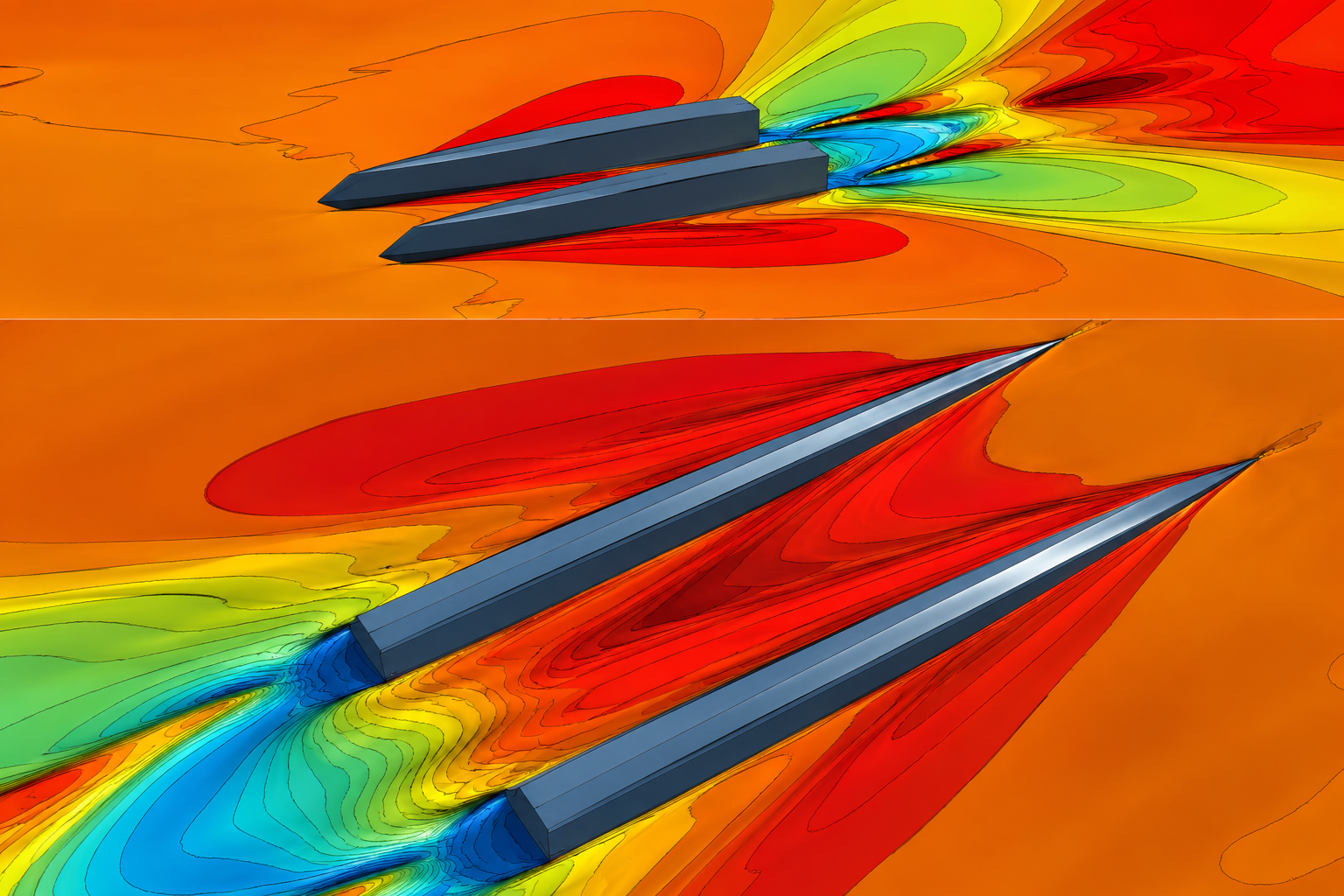
BRYD’s role focused on developing the marine platform around the operational requirements, working closely with Ocean Infinity and the wider engineering and systems teams throughout the programme. Our scope included concept design, naval architecture, 3D development of the vessel, hull form development and hydrodynamic optimisation, general arrangement and platform configuration, configuration around autonomous systems and mission payloads, and integration support throughout development, build and deployment.

The challenge was to develop the vessel and its technology together. Hull performance, machinery, payloads, equipment access and platform configuration all had to evolve alongside the autonomy, communications and surveillance systems.

Rapid Development

Four vessels progressed from concept through design and into delivery in under seven months. It started with a sketch drawn on a plane, which Ben developed into the first vessel concept over a weekend. Four months later NeedleFish was in production. Design, engineering, autonomy, systems integration and manufacture progressed concurrently, with BRYD maintaining an adaptable global 3D model and responding rapidly as requirements developed.

The vessels were built at two UK shipyards and flown to Kuwait aboard two chartered Antonov heavy-lift aircraft, the only aircraft large enough to carry them.

Designed for the Real World

NeedleFish operates in a demanding environment where extreme heat, high salinity, humidity, corrosion, vibration and biofouling place continuous stresses on the vessel and its systems.

For an uncrewed platform expected to undertake persistent operations, reliability, maintainability and systems integration have to be considered from the outset. There is no crew onboard to continuously monitor machinery or respond as conditions change.

NeedleFish is now providing that real-world proof — demonstrating the importance of developing the naval architecture, engineering and autonomous systems as one integrated platform.

BRYD services on this project

Planning a similar project?

Concept designNaval architecture & engineeringPerformance analysis3D modelling & production design