049 — Uncrewed Surface Vessel
A new BRYD uncrewed surface vessel is in development, launching in 2027.
Naval architecture, engineering and production design for uncrewed and autonomous vessels.
BRYD Autonomous applies the naval architecture, engineering and production experience behind our yacht and specialist-craft work to uncrewed and remotely operated vessels.
Without a crew on board, the vessel has to do more. It must carry and protect its sensors, keep its machinery reliable and accessible, and operate for long periods in demanding conditions, often far from support. We design platforms around those requirements from the first sketch, working alongside autonomy, systems and build partners so that the vessel and its technology develop together.
From patrol and survey craft to specialist workboats, our role is the same: a platform that performs, can be built efficiently, and keeps working once it is in service.
Uncrewed vessels are defined by their mission rather than by crew comfort, and that changes the design priorities. We develop hull forms around speed, seakeeping and platform stability, using resistance and powering predictions across the full range of loading conditions.
Sensor masts, payloads and batteries place weight where it matters most, so weights and centres are tracked through every design revision and on into the build. The result is a platform that runs at the right attitude, holds its sensors steady and keeps its margins in a seaway.
The vessel and its technology have to evolve together. We arrange the platform around autonomy, communications and surveillance systems, with cameras, radar and other sensors positioned for clear sight lines and protected from the environment.
With no one on board to observe or intervene, access matters. Machinery spaces, electronics and battery mounting, ventilation, hatches and service routes are designed so that equipment can be inspected, maintained and replaced quickly, keeping the vessel available for operation.
Uncrewed programmes often move quickly, with naval architecture, engineering, autonomy and manufacture progressing in parallel. We maintain a single adaptable 3D master model and issue general arrangement and fabrication drawings as the design develops.
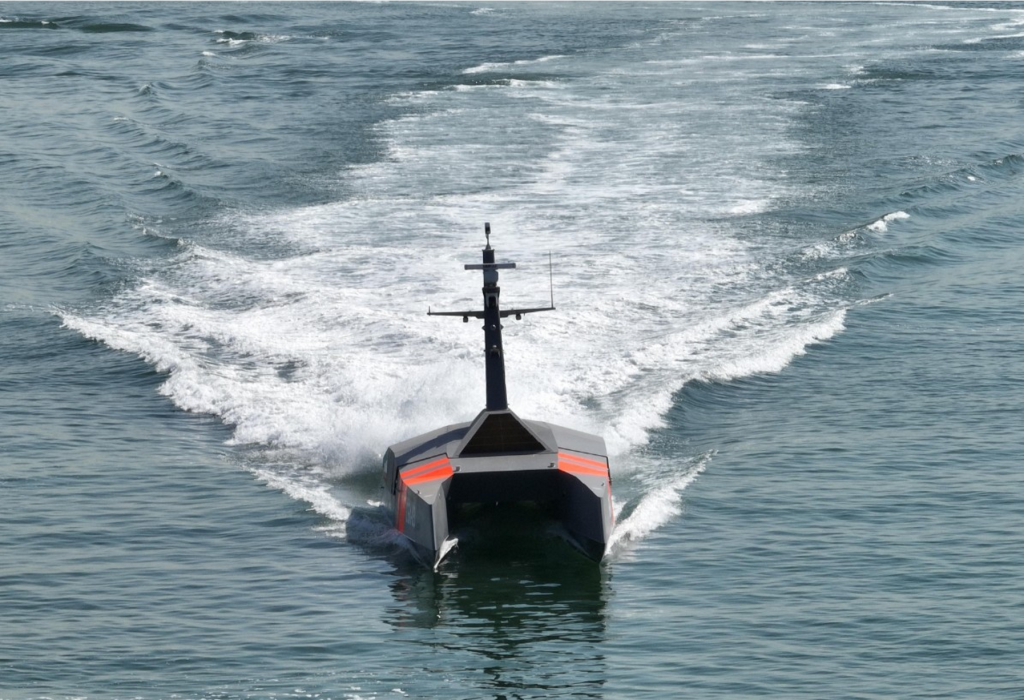
Build support continues through construction and delivery, including lifting, trailering and transport arrangements. On NeedleFish, four vessels progressed from a first sketch into production in four months, were built at two UK shipyards and flown to their operating base.
Heat, salt, humidity, vibration, corrosion and biofouling all place continuous demands on an unattended platform. Reliability, maintainability and material choice are considered from the outset, not added later.
We also bring experience in efficient and low-emission craft, from electric propulsion to recyclable thermoplastic and HDPE structures, supporting platforms that can stay at sea for longer with lower running and through-life costs.

A new BRYD uncrewed surface vessel is in development, launching in 2027.

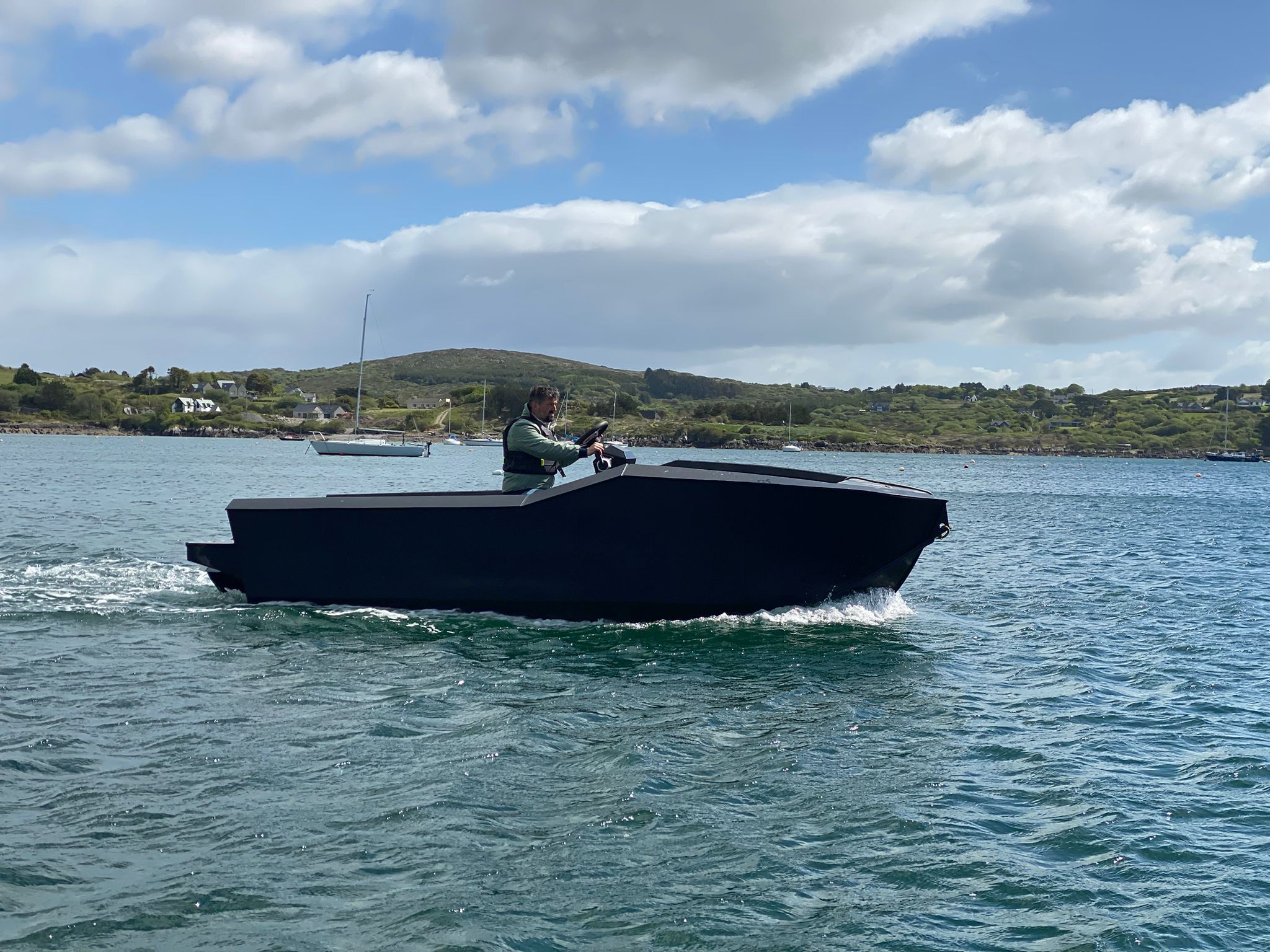
A 5-metre HDPE electric workboat designed by BRYD for Teal Marine Technologies, built in West Cork and powered by a 40 kW RAD Propulsion drive.
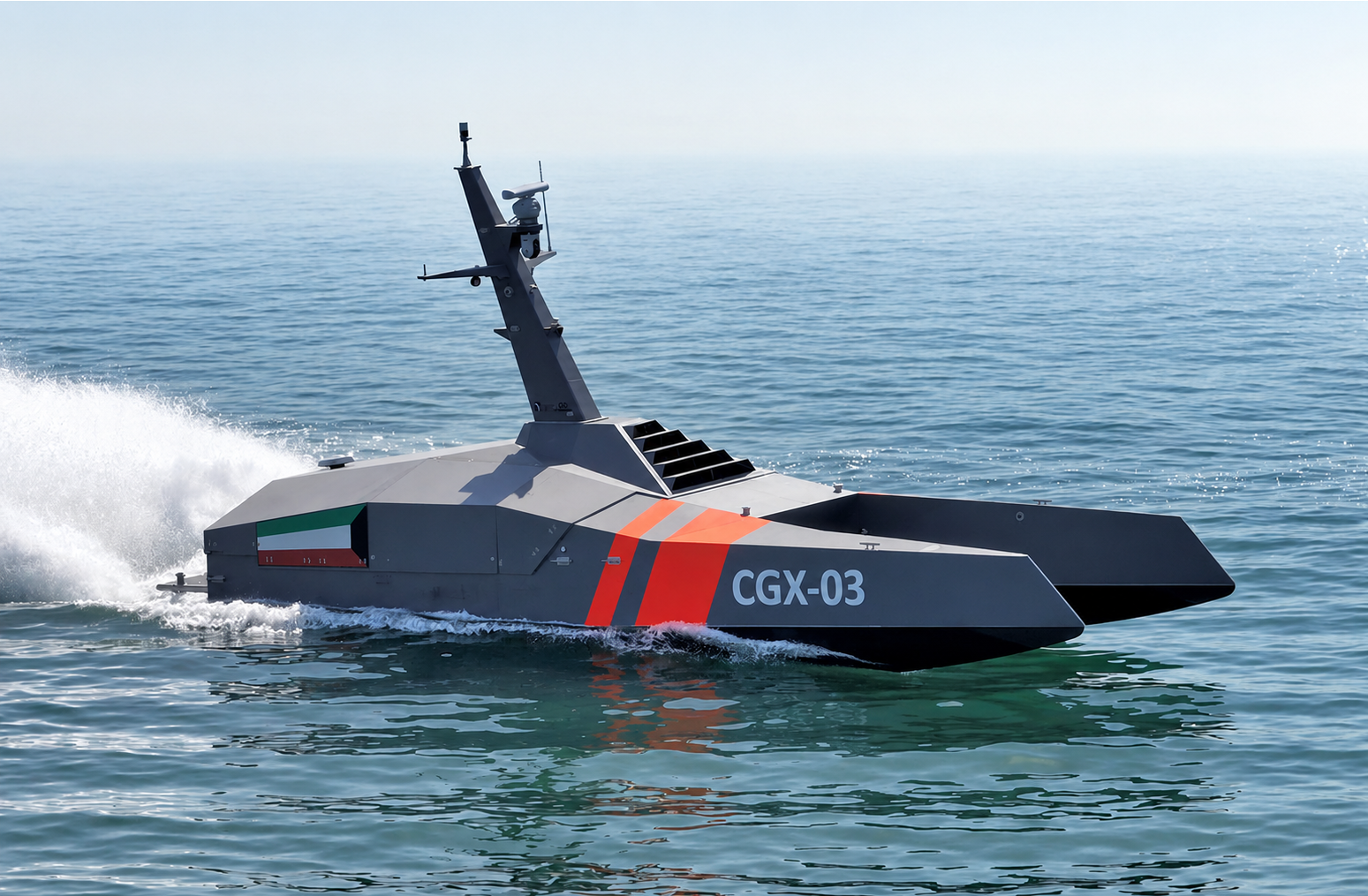
BRYD led the naval architecture and global design of the 14-metre NeedleFish USV, developed with Ocean Infinity for the Kuwait Coast Guard. From a blank sheet of paper to an operational fleet of four in under seven months.